Understanding Pipe Material Options: Guidance from Drain Pro Plus May 23, 2026
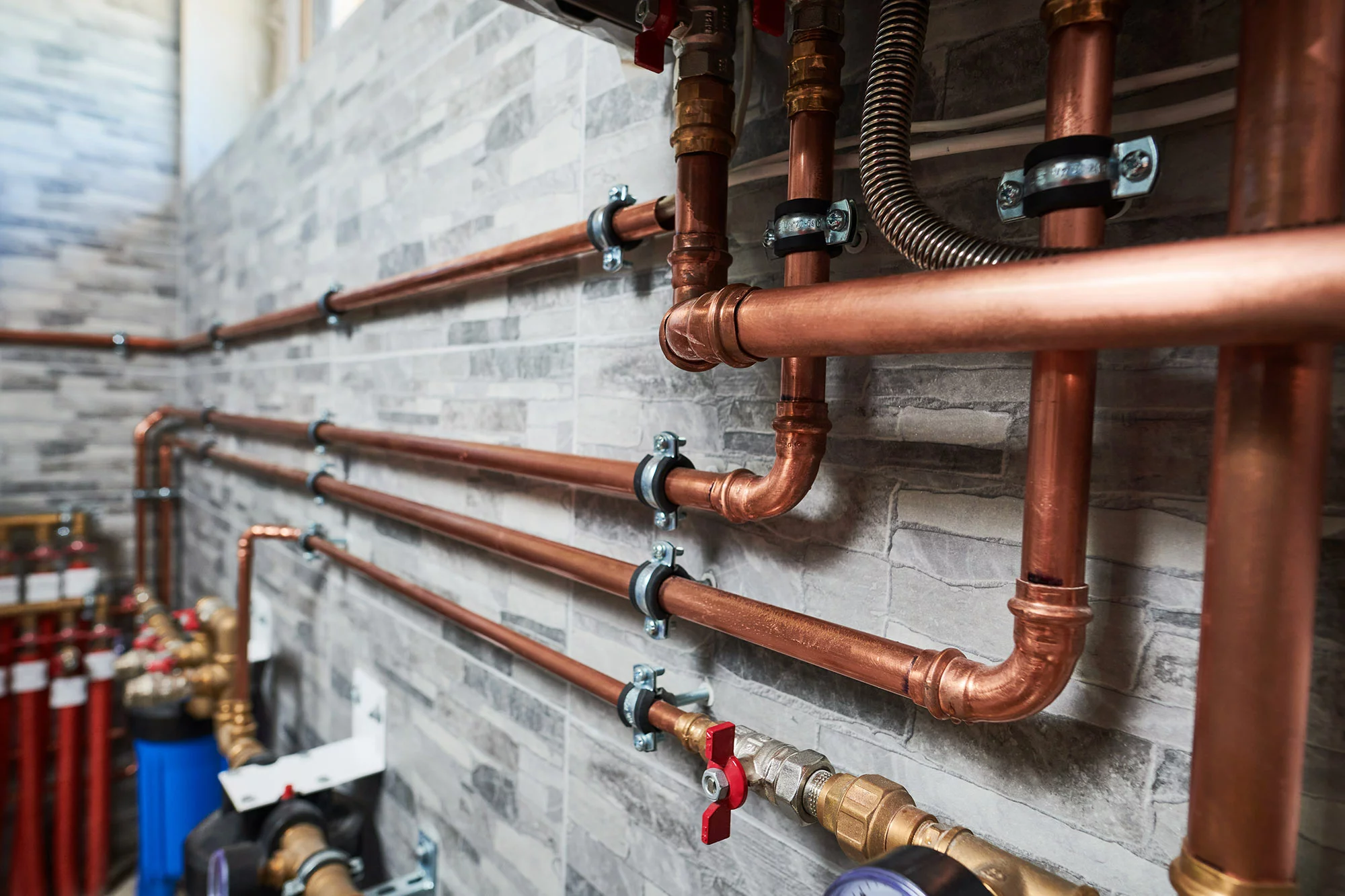
One of the most traditional materials used in plumbing is copper. Renowned for its durability and better health safety profile, copper has been a mainstay in plumbing systems for decades. It is resistant to corrosion and can withstand extreme temperatures, which makes it ideal for both hot and cold water supply lines. Furthermore, copper's natural attributes inhibit bacterial growth, ensuring the water you use is safe. However, its cost is generally higher than alternatives like PVC, which might make copper less appealing for large projects or budget-conscious homeowners.
PVC, or Polyvinyl Chloride, is another popular choice, known for its affordability and versatility. PVC pipes are lightweight, easy to handle, and can be used for a range of applications, including drains, waste, and vent lines. The primary benefit of PVC is its resistance to corrosion and chemical damage, making it a long-lasting option for many. However, PVC is not suitable for hot water lines since it can warp under high temperatures. This makes it crucial to consider where you plan to install your plumbing and whether PVC meets those specific requirements.
For those seeking a balance between cost and durability, PEX, or cross-linked polyethylene, is an increasingly favored choice in plumbing renovations. PEX is flexible, allowing for fewer connections and joints, which can reduce potential leak points. Its ability to expand under pressure makes it an excellent option for both hot and cold water supply lines. PEX is also resistant to scale and chlorine, further enhancing its appeal. However, exposure to UV light can damage PEX, so it should not be used for outdoor plumbing.
Cast iron and galvanized steel have traditionally been used in older homes for drain lines and sewer systems. Cast iron is exceptionally durable and minimizes noise transmission, which is beneficial in keeping water flow quiet. However, it is prone to rust over time and is considerably heavier than modern options like PVC and PEX. Galvanized steel, while also tough, suffers from a similar rusting issue, especially if the zinc coating wears off, which can lead to water quality concerns.
Choosing the right pipe material is a critical aspect of any plumbing project, impacting both functionality and safety. At Drain Pro Plus, we recommend considering factors such as durability, cost, and application suitability when deciding which pipe material to use. If you are ever unsure, our experienced team is here to guide you through the decision-making process and ensure you have a clear understanding of what will best suit your needs.
In conclusion, whether you opt for copper for its safety, PVC for its affordability, or PEX for its flexibility, selecting the right piping material will not only contribute to a more efficient plumbing system but also safeguard your home or business from potential issues. Should you need additional assistance or have further questions, Drain Pro Plus is always ready to help steer your plumbing decisions in the right direction. Contact us today for expert advice tailored to your unique situation.
/filters:no_upscale()/filters:format(webp)/media/2e787583-5ab7-4307-bbc1-8dfdf00c660d.jpg)
/filters:no_upscale()/filters:format(webp)/media/8eb60523-1971-4a83-bd8a-5507269ef532.jpeg)